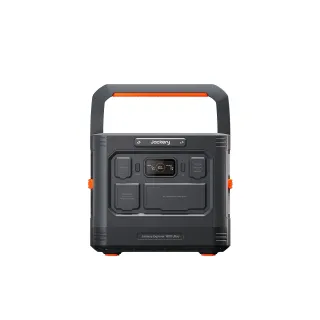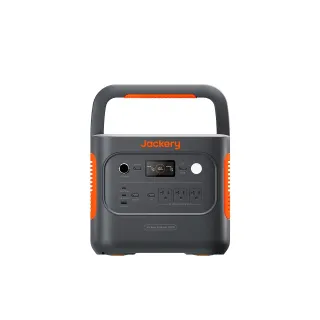
Jackery Explorer 2000 v2 Portable Power Station, 2042Wh
- Capacity 2042 Wh
- Battery Chemistry LiFePO4 (LFP)
US$599.88
US$949.81
New · free shipping
Portable power stations, solar panels and expansion batteries
Portable power stations, expansion batteries and solar panels. Listings give battery capacity in watt-hours, continuous and surge output in watts, battery chemistry and the outlets on each unit.
New · free shipping
New · free shipping
New · free shipping
New · free shipping
New · free shipping
New · free shipping
New · free shipping
New · free shipping
New · free shipping
New · free shipping
Capacity, in watt-hours (Wh), is how much energy the battery stores. As a rough guide, divide capacity by a device's running wattage to estimate how many hours it will run, then allow for conversion losses, which the manufacturer usually quotes.
Output, in watts (W), is how much the station can supply at once. A device that needs more than the continuous rating will not run, however large the battery. Surge rating covers the brief start-up spike of motors and compressors.
Lithium iron phosphate (LiFePO4) batteries are rated for many more charge cycles than other lithium-ion chemistries and are now common in power stations. The listing names the chemistry and the manufacturer's cycle rating.
Power stations above 100 Wh are regulated as Class 9 dangerous goods for transport. They ship by ground only, and not to Alaska, Hawaii, Puerto Rico, APO/FPO addresses or US territories.
Lithium batteries of this size cannot travel by air. Ground service is the only option, within the contiguous United States.
Most power stations accept solar input. Each listing gives the maximum solar input in watts and the connector; compatible panels list the stations they work with.